
Eco-Friendly Carpentry & Green Renovation for Singapore Homes: Sustainable Choices Homeowners Can Make


The push for sustainable living in Singapore has grown stronger than ever. From the Singapore Green Plan 2030 to BCA’s Green Mark certification, more homeowners are becoming aware of how their renovation choices affect the environment.
An eco-friendly renovation isn’t just about installing solar panels, it’s about making smarter, more sustainable design and material choices at every stage, from carpentry design to lighting solutions.
Top reasons to choose a green renovation:
Reduce carbon footprint
Lower long-term energy and water bills
Improve indoor air quality
Increase property value
Contribute to Singapore’s sustainability goals

1. Sustainable & Eco-Friendly Carpentry: Choosing the Right Eco-Friendly Materials
Carpentry makes up a huge portion of most home renovations from kitchen cabinets to wardrobes and feature walls. To make it sustainable, focus on material selection and construction methods.
Use FSC-Certified or PEFC-Certified Wood
When planning your custom carpentry in Singapore, always check if your contractor uses FSC (Forest Stewardship Council) or PEFC (Programme for the Endorsement of Forest Certification) certified wood.
These certifications ensure that the timber comes from responsibly managed forests, not illegal logging sources.
Popular sustainable wood choices:
Bamboo plywood (fast-growing and durable)
Rubberwood (recycled from rubber plantations)
Reclaimed teak or oak
Laminates made with eco-resins
2. Low-VOC Finishes and Paints: Healthy Air, Healthy Home
Traditional paints, glues, and finishes release volatile organic compounds (VOCs) — chemicals that can cause headaches, allergies, or even long-term health issues.
When designing your carpentry, ask for low-VOC or zero-VOC finishes. These are now widely available in Singapore, and they don’t compromise on quality or color vibrancy.
Eco-friendly alternatives to look for:
Water-based polyurethane coatings for carpentry
Non-toxic wood stains and sealants
Low-VOC wall paints from brands like Nippon Paint Green Choice or Dulux Eco
3. Energy Efficiency: Design That Saves Power
A truly sustainable renovation goes beyond materials, it also includes energy-efficient interior design.
Maximize Natural Light
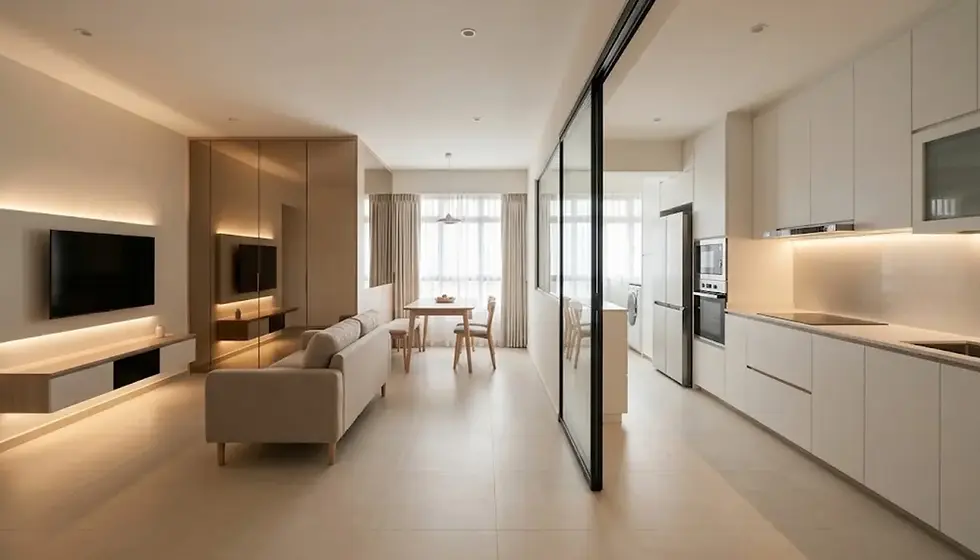
Use open layouts, glass partitions, and light-reflecting finishes to reduce reliance on artificial lighting during the day.
Install LED ceiling lights, smart lighting systems, and motion sensors to control power usage efficiently.
Improve Ventilation and Insulation
Design carpentry that allows air to flow freely, reducing the need for air conditioning. Consider eco-friendly ceiling fans or energy-efficient inverter aircon systems for better cooling with less energy.
4. Upcycling & Reclaimed Wood: Giving Old Materials New Life
One of the most impactful ways to go green is to reuse and repurpose.
Instead of tearing down old carpentry, consider refinishing or refacing it. Many Singapore homeowners now choose reclaimed wood for their feature walls or countertops — adding rustic charm and reducing waste.
Eco-friendly carpentry ideas:
Turn old cabinet doors into open shelving
Use reclaimed timber for dining tables or coffee tables
Mix new laminates with reused wood for hybrid designs
5. Green Building Materials for Every Corner of Your Home
Eco-friendly renovation doesn’t stop at carpentry. You can choose sustainable materials for your flooring, walls, and countertops too.
Flooring
Bamboo flooring: Fast-growing and renewable
Cork flooring: Natural insulation and soft underfoot
Vinyl alternatives: Look for phthalate-free or recycled vinyl
Countertops
Recycled quartz or terrazzo for kitchen counters
Sintered stone — durable, heat-resistant, and sustainable
Wall Finishes
Natural lime plaster or eco-friendly wallpaper adhesives
6. Sustainable Design Tips for Different Rooms
Living Room
Use modular furniture made from sustainable plywood.
Incorporate energy-saving ceiling lights and LED track lighting.
Add indoor plants to improve air quality naturally.
Kitchen
Choose green kitchen renovation designs using water-efficient taps.
Opt for eco-laminates for cabinets that resist moisture and last longer.
Consider compact carpentry layouts to reduce unnecessary materials.
Bedroom
Install built-in wardrobes with non-toxic finishes.
Use bamboo or organic cotton fabrics for a sustainable touch.
Bathroom
Go for water-saving faucets and dual-flush toilets.
Consider recycled glass tiles or eco-friendly wall cladding.
7. Smart Technology for a Sustainable Home
Integrating smart home technology helps reduce waste and optimize energy use. Even on a budget, there are affordable systems available for smart home renovation in Singapore.
Smart Home Features:
Smart plugs & switches to cut off standby power
Motion-sensor lighting
Energy monitoring systems for appliances
Smart thermostats for efficient cooling
8. Work with the Right Renovation Partner
To truly achieve a sustainable renovation, the most important decision is choosing a renovation contractor in Singapore who understands eco-friendly design.
A reliable ID firm or carpentry specialist will:
Recommend sustainable materials and finishes
Source from certified suppliers
Plan layouts that save space and energy
Ensure proper waste management during renovation
Tip: When discussing with your renovation company, ask specific questions like:
“Are your materials FSC-certified?”
“Do you offer low-VOC finishes?”
“Can you design energy-efficient carpentry for my kitchen or living room?”
9. Cost of Eco-Friendly Renovation in Singapore
One common misconception is that eco-friendly renovation costs more. While sustainable materials might seem pricier upfront, they often save money long-term through lower maintenance and energy bills.
Estimated eco-renovation costs (average Singapore market range):
Eco-laminates for cabinets: +10–15%
Low-VOC paints: +5–10%
Energy-efficient lighting: -20% electricity cost monthly
Smart devices: One-time setup, long-term savings
The best strategy is to mix eco upgrades strategically such as pairing LED lighting with green carpentry or smart home switches to create both sustainable and stylish results.
10. Simple Lifestyle Changes for a Greener Home
Even after your renovation is complete, small daily habits make a big difference.
Eco-living tips for homeowners:
Recycle properly and reduce single-use plastics.
Use natural cleaning products to protect carpentry surfaces.
Turn off lights and plugs when not in use.
Reuse rainwater for plants (if applicable).
A sustainable home isn’t built overnight, it’s cultivated through mindful choices and conscious living.

Build a Greener Future, One Home at a Time
Choosing eco-friendly carpentry and green renovation for your Singapore home isn’t just a design trend, it’s an investment in the planet’s future. From sustainable materials to energy-saving layouts and smart home technology, every small step contributes to a healthier, more responsible lifestyle.
Whether you’re renovating a 4-room HDB, a condo unit, or a landed home, making sustainable choices can transform your space into an eco haven that’s both stylish and sensible.
If you’re ready to start your green renovation journey, find the right team to make it happen.
✨ Find Cosmos Decor Renovation Singapore for eco-friendly carpentry, sustainable design, and smart renovation solutions tailored for modern homeowners.

You May Also Like:


Comments